

What a Marine Surveyor Actually Looks At on a Used Boat
Cosmetic condition affects a survey more than most owners expect. What surveyors note about gelcoat, and why original finish matters at resale.
Owners tend to think of a survey as structural — moisture, stringers, engines. Those matter most, and no amount of shine fixes a wet transom.
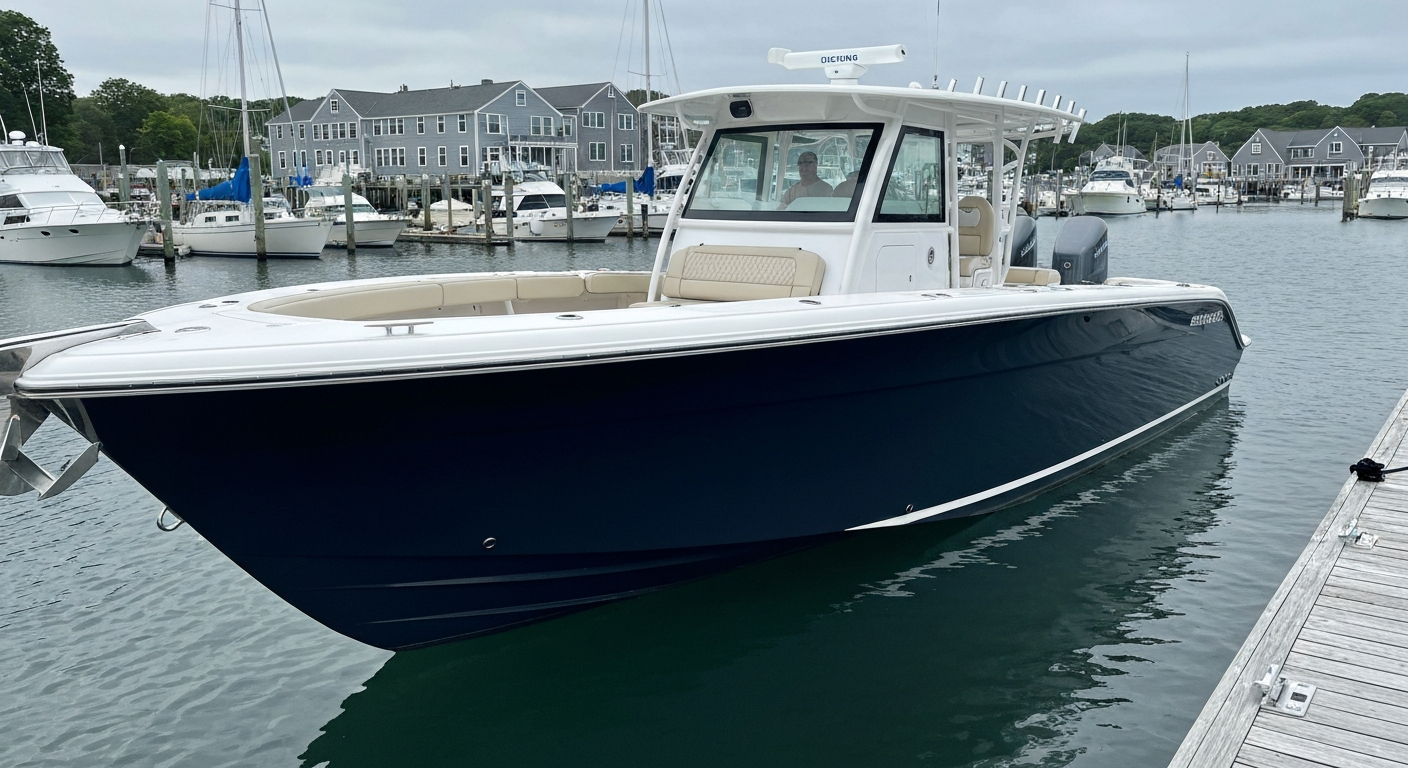
But cosmetic condition ends up in the report too, and it shapes how a buyer reads everything else. A hull that's been let go raises a question about what else was let go.
I'm not a surveyor. What follows is what I've picked up from owners who've been through it and from the boats I work on before and after a sale.
Original gelcoat versus restored gelcoat
A surveyor can tell the difference, and it goes in the report.
Heavily compounded gelcoat is thinner. On some hulls you can see where a buffer sat too long — a slight halo, a softened edge on a chine or a strake. Repeated correction leaves evidence.
Original finish in good condition says the boat was maintained rather than periodically rescued. That's a different story about the same vessel, and buyers read it that way.
What gets specifically noted
Waterline and boot stripe. Staining and blistering at the waterline is the first thing looked at, because it says something about how the boat's been kept and where.
Rub line and topsides. Dock rash, fender wear, contact marks. Individually cosmetic. Collectively they tell a story about how the boat is handled and where it lives.
Transom. Exhaust staining, scratches from boarding, wear around swim platform hardware.
Chalking and fade. Whether it's uniform or worse on one side, which indicates how the boat was oriented and whether it was covered.
Helm screens. Etched or scratched MFDs read as neglect on an otherwise well-kept helm, and they're expensive to replace.
Interior surfaces. Teak wear, dashboard scratching, sun damage on helm finishes.
Why prevention reads differently than restoration
A boat detailed the week before a survey looks good. A boat that never needed it looks good and has the maintenance history to back it up.
The difference shows up in gelcoat thickness, in the absence of correction marks, and in what the owner can tell the surveyor about how the boat's been kept.
Where film fits
Marine protection film preserves the original finish rather than restoring it. The gelcoat under film in year five is substantially the gelcoat that was there in year one — not a thinner version that's been corrected four times.
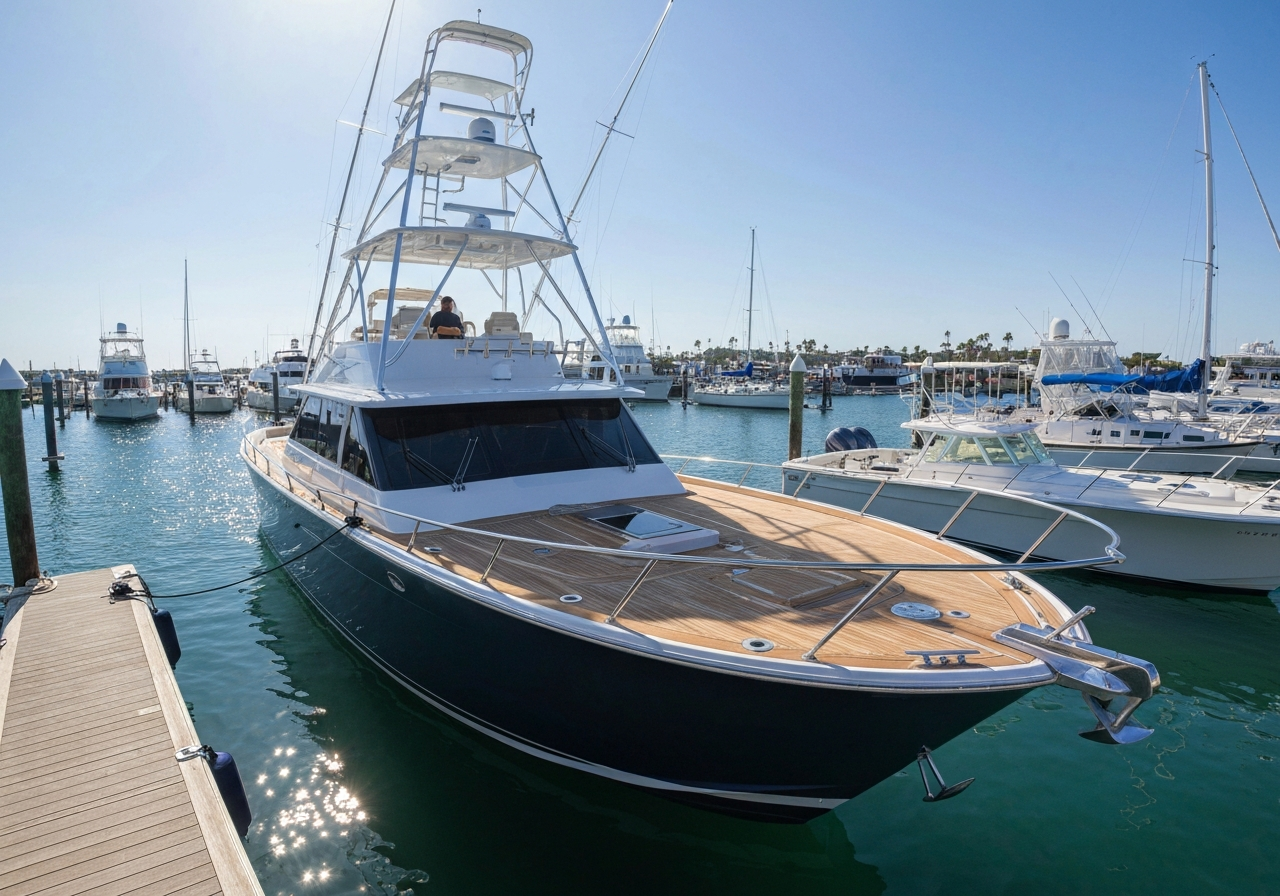
Yacht Armor publishes a service life of 5 to 7 years with proper maintenance, and guarantees the film for three years from installation.
It's also removable, which matters at sale. Film comes off with heat, leaves minimal adhesive, and the surface underneath comes out fresh.
Two honest limits: film covers the surfaces you apply it to and nothing else, and it does nothing whatsoever for the structural items that actually decide a survey.
If you're planning to sell in a few seasons, the cosmetic decisions you make now show up in that survey. Original finish is a stronger position than restored finish, and it's a lot easier to keep a good hull good than to bring a bad one back.
Repeated correction is what thins a hull — I go into that on my detailing comparison page.
Want to talk through what's worth protecting?
Call me at (978) 543-5274. Every quote follows an in-person look at the hull.
Call (978) 543-5274